The best SaaS knowledge base software in 2026 includes Helpjuice, FuseBase, HubSpot Service Hub, Zendesk Guide, Messagely, and ProProfs. These platforms help SaaS companies build self-service knowledge bases, improve customer onboarding, reduce support tickets, and manage internal or customer documentation. The best platform depends on AI search, customization, integrations, analytics, and team collaboration needs.
A SaaS knowledge base helps companies centralize documentation, improve customer self-service, reduce support tickets, and make information easier to find across teams and customers.
The best SaaS knowledge base solutions combine powerful search, customization, analytics, collaboration tools, and permission controls to help businesses build scalable documentation systems.
What Is SaaS Knowledge Base Software?
SaaS knowledge base software is cloud-based software that enables businesses to create, organize, manage, and share information through a centralized knowledge repository.
Companies use SaaS knowledge bases for:
- customer self-service portals
- internal documentation
- employee training resources
- onboarding guides
- troubleshooting documentation
- SOPs and process documentation
- product help centers
Unlike traditional documentation systems, SaaS knowledge base platforms are hosted in the cloud, making them easier to deploy, update, scale, and maintain.
Most modern solutions include features such as:
- intelligent search
- collaborative editing
- analytics and reporting
- access permissions
- content categorization
- branding customization
- integrations with support tools and CRMs
For SaaS companies especially, a knowledge base can become one of the most important systems for scaling customer support and internal knowledge sharing.
Features to Look for When Choosing a SaaS Knowledge Base Solution
Choosing SaaS knowledge base software is not simply about finding a place to store documentation.
The right platform should help your organization create, manage, search, analyze, and continuously improve knowledge at scale.
Whether you're building a customer help center, an internal documentation hub, or both, the following features are essential.
1. Advanced Search Capabilities
Search is one of the most important components of any knowledge base.
Users rarely want to browse dozens of categories to find answers. They expect immediate, accurate search results.
A strong SaaS knowledge base platform should provide:
- intelligent keyword matching
- contextual search relevance
- tagging support
- filters and categorization
- typo tolerance
- fast indexing
- permission-aware search results
Good search functionality helps users quickly locate:
- troubleshooting articles
- onboarding documentation
- SOPs
- product guides
- internal procedures
For SaaS businesses, stronger search often translates directly into lower support ticket volume and faster issue resolution.
2. Easy Content Creation and Editing
Your team should spend time improving documentation, not fighting complicated editors.
Choose a platform that simplifies content creation and collaboration.
Look for features such as:
- WYSIWYG editor
- markdown support
- drag-and-drop formatting
- reusable templates
- version history
- collaborative editing
- content approvals
Simultaneous editing is especially valuable for remote teams that frequently collaborate on documentation updates.
The easier content management becomes, the easier it is to keep your knowledge base accurate and current.
3. Analytics and Reporting
You cannot improve your knowledge base without data.
Knowledge base analytics help you understand:
- which articles perform best
- what users search for
- where users struggle
- what documentation is missing
Useful analytics features include:
- article engagement tracking
- search analytics
- failed search reports
- helpfulness ratings
- popular content reports
- content gap analysis
These insights allow teams to continuously optimize documentation and improve self-service effectiveness.
4. Customization and Branding
Your knowledge base should feel like a seamless extension of your brand experience.
Highly customizable SaaS knowledge base software makes it easier to create a professional, consistent user experience.
Important customization options include:
- branded themes
- custom domains
- custom layouts
- CSS/HTML customization
- navigation adjustments
- logo and design controls
For customer-facing SaaS knowledge bases, branding consistency improves trust and creates a more polished support experience.
5. Permission and Access Controls
Not all information should be accessible to everyone.
Strong permission settings are essential, especially for internal knowledge bases that contain sensitive information.
Your software should allow granular access management based on:
- teams
- departments
- user roles
- customers
- private groups
This helps protect confidential content such as:
- employee documentation
- internal SOPs
- pricing strategies
- client-specific information
- security procedures
Flexible permissions ensure the right people can access the right information.
6. Scalability and Knowledge Organization
As your documentation grows, organization becomes increasingly important.
A platform that works for 50 articles may struggle with thousands of documents.
Look for systems that support:
- categories and subcategories
- tagging systems
- nested documentation structures
- content hierarchies
- multi-knowledge-base environments
Strong organizational capabilities improve navigation and long-term maintainability.
7. Integrations With Your Existing Stack
Knowledge bases rarely operate in isolation.
Your SaaS knowledge base software should integrate smoothly with the rest of your technology ecosystem.
Common integrations include:
- help desk software
- CRM systems
- chat platforms
- project management tools
- analytics tools
- customer support suites
- collaboration platforms
Integrations reduce information silos and create a more unified support and knowledge management workflow.
8. Security, Reliability, and Hosting
Since SaaS knowledge bases often store valuable company information, security matters.
Look for vendors that provide:
- secure cloud hosting
- encryption
- backup and recovery capabilities
- uptime guarantees
- role-based security controls
- compliance support where needed
Reliability becomes especially important for organizations that depend on documentation for customer support or internal operations.
Quick Comparison
The Best SaaS Knowledge Base Software
The best SaaS knowledge base software depends on your business size, support model, customization needs, and documentation goals.
Some tools focus heavily on customer self-service. Others prioritize internal knowledge management, collaboration, or AI-powered documentation workflows.
Below are some of the strongest SaaS knowledge base solutions available.
1. Helpjuice
Best for: Businesses that want a dedicated, highly customizable knowledge base platform.
Helpjuice is a standalone SaaS knowledge base solution built specifically for knowledge management.
Unlike many customer support platforms that bundle knowledge bases alongside ticketing systems, Helpjuice focuses entirely on helping organizations create scalable documentation systems for both customers and internal teams.
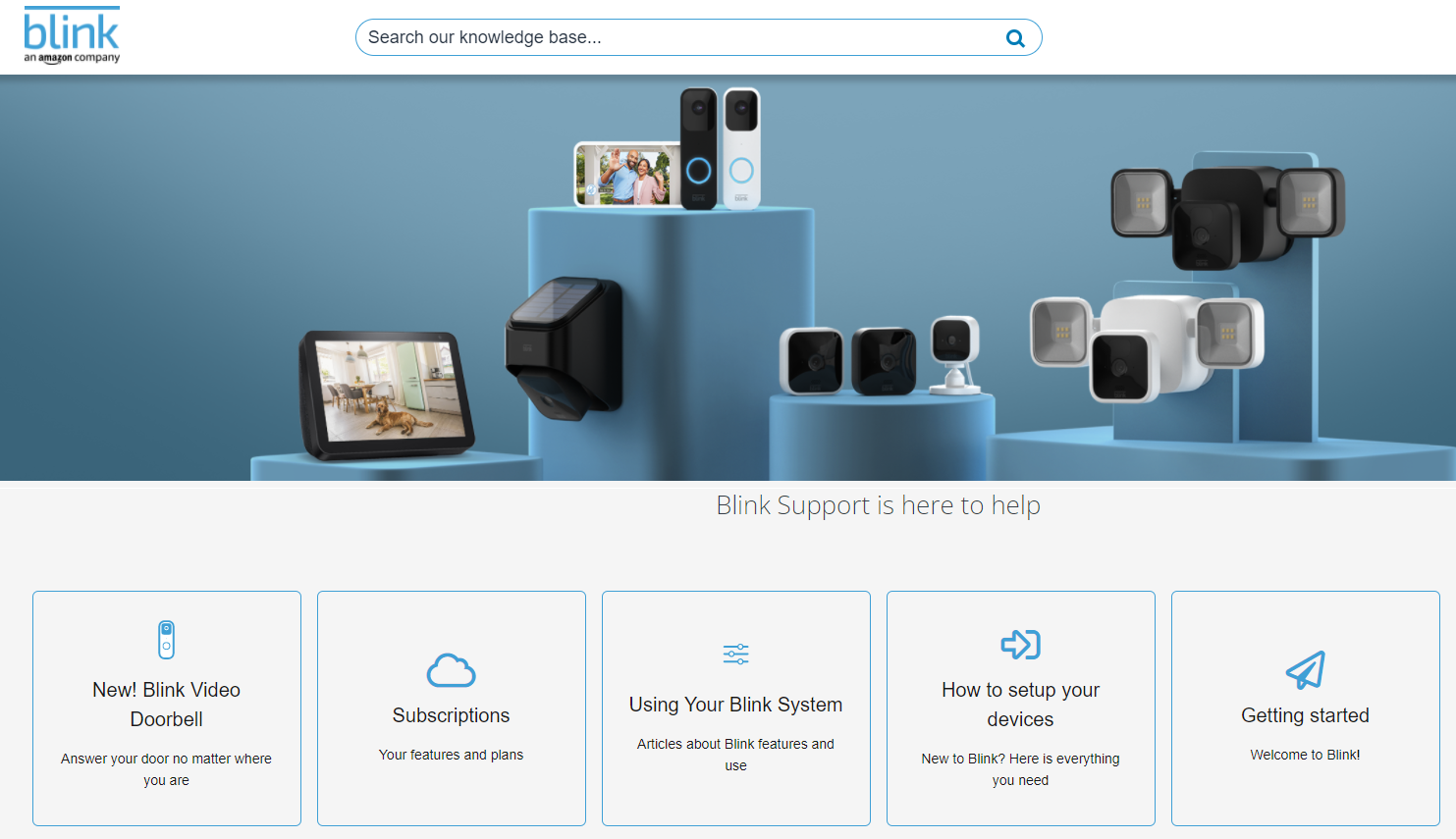
One of Helpjuice’s biggest strengths is customization.
Businesses can fully tailor their knowledge base design to match their branding, customer experience, and navigation preferences.
The platform also supports strong collaboration capabilities, allowing multiple contributors to work on content simultaneously.
Key Features
- advanced intelligent search
- simultaneous collaborative editing
- customizable themes and branding
- analytics and reporting
- categories and tagging
- permission controls
- internal and external knowledge bases
Pros
- Highly customizable
- Dedicated knowledge management platform
- Strong analytics capabilities
- Powerful search experience
Potential Limitation
May be more feature-rich than businesses looking for a simple lightweight documentation tool.
Pricing
Custom pricing available.
2. FuseBase
Best for: Teams that need both internal documentation and client-facing workspaces.
FuseBase combines knowledge management, collaboration, and client portal functionality within a single SaaS platform.

Rather than operating solely as a traditional wiki or documentation tool, it enables organizations to manage structured documentation, workflows, files, and AI-powered assistance.
This makes it particularly useful for agencies, SaaS teams, consulting firms, and customer-facing organizations.
Key Features
- internal knowledge hubs
- client portals
- AI assistants
- workflow automation
- branded workspaces
- access permissions
- integrations
Pros
- Combines knowledge management + client collaboration
- Strong branding flexibility
- AI-powered functionality
Pricing
Free plan available. Paid plans start around $32/month.
3. HubSpot Service Hub
Best for: Companies seeking an all-in-one customer service platform.
HubSpot Service Hub combines customer support tools with knowledge base functionality.
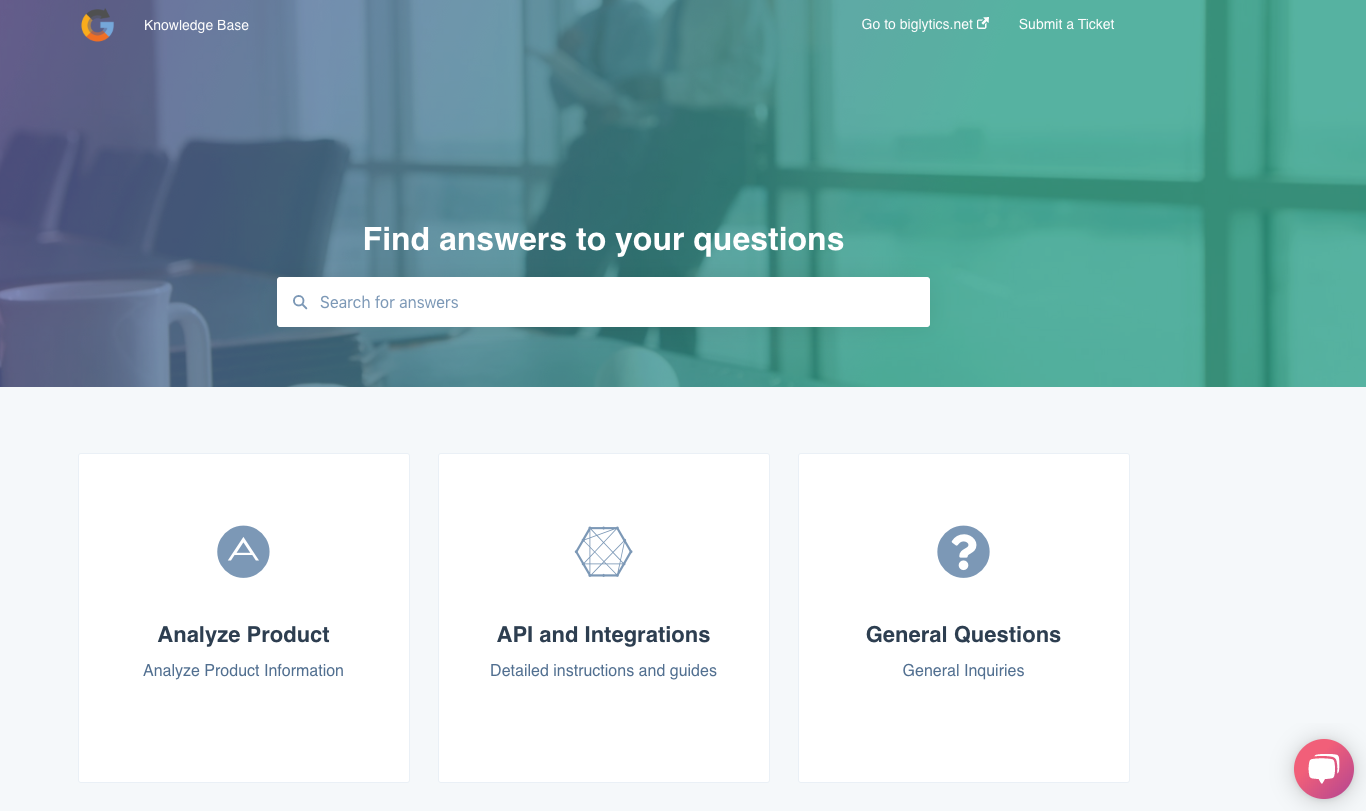
Organizations can manage:
- ticketing
- customer conversations
- live chat
- customer feedback
- help center documentation
Because the knowledge base sits inside HubSpot’s broader ecosystem, teams can build tighter workflows between support operations and documentation.
Key Features
- integrated ticketing system
- branded knowledge base
- SEO optimization
- omnichannel support tools
- CRM integration
Pros
- Strong ecosystem integration
- Excellent for HubSpot users
- Comprehensive customer service suite
Potential Limitation
Knowledge base functionality requires higher-tier plans.
Pricing
Free plan available. Professional plans begin around $360/month.
4. Zendesk Guide
Best for: Customer support teams using the Zendesk ecosystem.
Zendesk Guide is part of Zendesk’s customer support platform and combines self-service documentation with community support capabilities.

The platform emphasizes customer engagement, searchable documentation, and seamless integration with Zendesk’s broader support suite.
Key Features
- AI-powered search
- community forums
- content management tools
- collaborative editing
- Zendesk integration
Pros
- Excellent for support-heavy organizations
- Strong ecosystem compatibility
- Mature customer support tooling
Pricing
Starts at approximately $19 per agent/month.
5. Messagely
Best for: Businesses wanting live chat and knowledge base capabilities together.
Messagely combines:
- live chat
- messaging
- shared inboxes
- knowledge base functionality
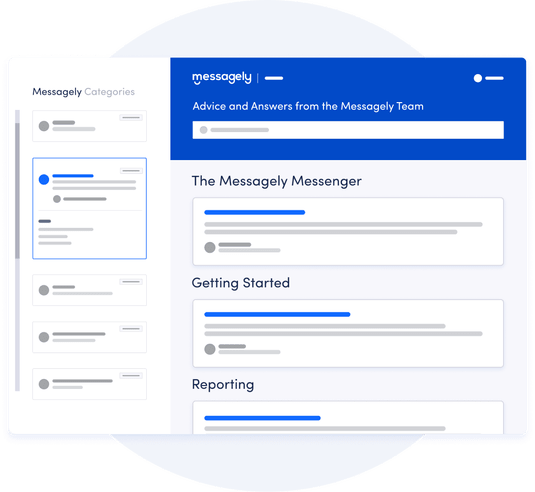
The platform focuses on customer communication workflows while helping businesses create self-service resources.
Its built-in analytics and feedback mechanisms can help teams improve documentation quality over time.
Key Features
- live chat integration
- knowledge base builder
- customer feedback tools
- website and in-app access
Pricing
Plans start around $29/month.
6. ProProfs Knowledge Base
Best for: Organizations needing multilingual knowledge management.
ProProfs Knowledge Base supports businesses that need employee training, internal documentation, or multilingual customer help centers.
Its language support and integrations make it attractive for organizations serving global audiences.
Key Features
- multilingual knowledge bases
- collaboration tools
- analytics
- integrations
- content management
Pros
- Strong multilingual support
- Good integration options
- Suitable for training and documentation
Pricing
Free plan available. Paid plans start around $79/month.
Frequently Asked Questions (FAQs)
Conclusion
The best SaaS knowledge base software does more than store documentation.
It helps businesses centralize knowledge, improve customer self-service, reduce repetitive support work, and scale information sharing across teams.
The right solution depends on your organization’s goals, workflows, and documentation needs.
By prioritizing strong search, collaboration, customization, analytics, and long-term usability, you can build a knowledge base that becomes a valuable asset for both customers and employees.